
Wellness · October 4, 2026
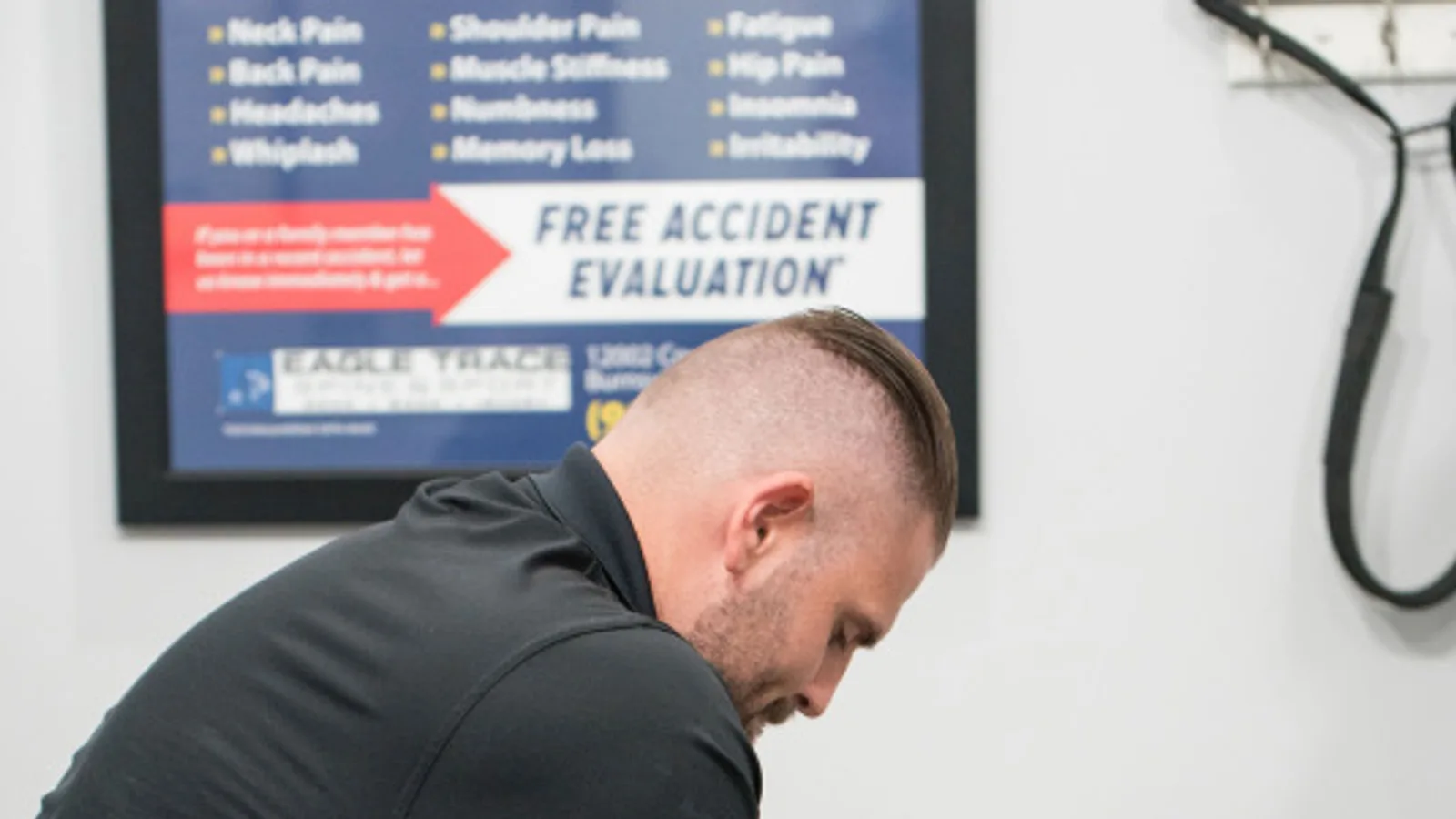
Back pain is one of the most common reasons people seek medical care, and if you've ever woken up stiff, struggled to get up from a chair, or felt that familiar ache after a long day at work, you already know how much it can affect your daily life. Here in Burnsville, MN, we see patients of all ages — from athletes to office workers to busy parents — who come through the door at Eagle Trace Spine & Sport dealing with some form of back pain. The good news? Most back pain has identifiable causes, and there are effective, non-invasive approaches that can help you get back to feeling like yourself again.
What Is Back Pain?
Back pain refers to discomfort, stiffness, or aching anywhere along the spine — from the base of the skull down to the tailbone. It can be acute (short-term, usually lasting a few days to weeks) or chronic (persisting for three months or longer). Back pain is not a diagnosis in itself, but rather a symptom that often points to an underlying issue in the muscles, joints, discs, or nerves of the spine.
Common Causes of Back Pain
Understanding why your back hurts is the first step toward addressing it effectively. Back pain rarely has a single, simple cause. More often, it develops from a combination of physical, postural, and lifestyle factors that build up over time. Dr. Jeff Plaster at Eagle Trace Spine & Sport in Burnsville, MN takes time with every patient to understand the full picture — not just the location of pain, but the habits, history, and biomechanics that may be contributing to it.
Muscle Strain and Ligament Sprains
This is one of the most frequent causes of back pain. When you lift something heavy with improper form, make a sudden awkward movement, or simply overdo it at the gym, the muscles and ligaments supporting your spine can be stretched or torn. The result is often sharp, localized pain and muscle spasms. Though this type of injury usually resolves on its own, recurring strains may signal an underlying structural problem that deserves attention.
Poor Posture and Sedentary Habits
Spending hours hunched over a desk or staring down at a phone puts significant stress on the spine. Over time, this forward-head posture and rounded-shoulder position increases the load on the discs and joints of your lower and mid-back. Many patients who visit Eagle Trace Spine & Sport in Burnsville notice their pain worsens after long days of sitting — which is a very common pattern in today's desk-driven work culture.
Spinal Joint Dysfunction
The spine is made up of individual vertebrae that move together as a system. When one or more of those joints lose their normal range of motion — becoming stiff, misaligned, or restricted — it can cause pain and affect the function of surrounding muscles and nerves. Chiropractors refer to this as a vertebral subluxation or joint dysfunction. This is one of the primary conditions that chiropractic care is specifically designed to address.
Herniated or Bulging Discs
Between each vertebra sits a cushioning disc filled with a gel-like interior. When the outer layer of that disc is damaged or weakened, the inner material can push outward and press on nearby nerves. This is what's known as a herniated disc. It can cause localized back pain, but also radiating pain, numbness, or tingling that travels into the legs — a condition commonly called sciatica. Research suggests that conservative care, including chiropractic, can be an effective first-line approach for many disc-related issues.
Degenerative Changes and Arthritis
As we age, the discs and joints in our spines naturally experience wear and tear. This process — known as degenerative disc disease or spinal osteoarthritis — can lead to stiffness, reduced range of motion, and chronic achiness, particularly in the mornings. While these changes are a normal part of aging, they don't have to define your quality of life. Maintaining spinal mobility and muscle strength can make a meaningful difference.
Scoliosis and Structural Abnormalities
Some individuals develop back pain due to structural variations in the spine, such as scoliosis — an abnormal lateral curvature of the spine. While mild scoliosis may cause little to no pain, more pronounced curves can shift the body's center of gravity, leading to compensatory tension and discomfort in the back and hips.
How Back Pain Affects Your Daily Life
Back pain is more than a physical inconvenience. It has a well-documented ripple effect on nearly every area of life. Simple tasks — tying your shoes, carrying groceries, playing with your kids — can become difficult or even impossible during a flare-up. Sleep is often disrupted, which compounds fatigue and can slow the healing process. Over time, people with chronic back pain may also experience increased stress and a reduced sense of overall wellbeing.
Here in Burnsville, MN, Dr. Jeff Plaster hears this from patients regularly. People come in not just because they're in pain, but because that pain is stealing their ability to do the things they love. That's why a comprehensive approach — one that addresses the root cause rather than just managing symptoms — is so important in chiropractic care.
It's also worth noting that back pain is one of the leading causes of missed workdays and reduced productivity across the United States. The World Health Organization recognizes low back pain as a leading contributor to disability worldwide. This underscores how important it is to take back pain seriously and seek appropriate, evidence-informed care sooner rather than later.
How Chiropractic Care Fits In
Chiropractic care is a non-surgical, drug-free approach to musculoskeletal health that focuses on restoring proper alignment, joint mobility, and nervous system function. It's one of the most widely studied and utilized forms of conservative care for back pain, and organizations like the American College of Physicians have included spinal manipulation as a recommended first-line treatment for acute and chronic low back pain.
At Eagle Trace Spine & Sport in Burnsville, MN, Dr. Jeff Plaster approaches each patient as an individual. A thorough evaluation — which may include a detailed history, postural assessment, orthopedic testing, and in some cases imaging review — helps identify the specific structures involved in your back pain. From there, a personalized care plan is developed to address your unique needs.
Chiropractic adjustments — also called spinal manipulation — involve applying a controlled, targeted force to restricted spinal joints to restore normal motion and reduce nerve irritation. For many patients, this results in reduced pain, improved range of motion, and a better ability to function in day-to-day life. Evidence from the Cochrane Library and other respected research bodies indicates that spinal manipulation can be effective for both acute and chronic low back pain in appropriate patients.
Beyond adjustments, chiropractic care at Eagle Trace Spine & Sport may also incorporate soft tissue therapies, rehabilitative exercises, postural retraining, and lifestyle guidance. The goal is not just to reduce your pain during your visit, but to help you build the resilience and habits that support long-term spinal health.
Practical Tips to Support a Healthier Back
While chiropractic care can be a powerful tool, what you do between visits matters just as much. Here are some realistic, evidence-aligned habits that support a healthier back:
Mind your posture at work. If you spend long hours sitting, make sure your chair supports the natural curve of your lower back. Keep your monitor at eye level to prevent forward head posture. Take a brief standing or walking break at least once every 45-60 minutes to relieve spinal pressure.
Move your body regularly. Gentle movement — walking, swimming, yoga, or light stretching — keeps the muscles and joints of the spine nourished and flexible. Spines are designed to move, and prolonged stillness is rarely good for them. You don't need an intense exercise routine to benefit; consistency matters far more than intensity.
Lift with your legs, not your back. This is one of the most repeated pieces of advice in spine care, and for good reason. When you pick something up — even something light — bending at the knees rather than hinging from the waist dramatically reduces stress on the lumbar spine and reduces the risk of muscle strain or disc injury.
Invest in your sleep setup. The position you sleep in and the support your mattress provides can significantly impact back health. Sleeping on your side with a pillow between your knees helps maintain spinal alignment. A mattress that is too soft or too firm for your body type can contribute to morning stiffness and achiness.
Stay hydrated. The discs between your vertebrae are largely composed of water and rely on adequate hydration to maintain their height and shock-absorbing properties. Drinking enough water throughout the day is a simple but genuinely important part of spinal health.
When to See a Chiropractor
Many people wait far too long before seeking care for back pain — often hoping it will resolve on its own. While mild, short-term back pain sometimes does resolve with rest and gentle activity, persistent pain that lasts more than a week or two, or pain that is getting progressively worse, is a strong signal that a professional evaluation is warranted.
You may benefit from visiting Dr. Jeff Plaster at Eagle Trace Spine & Sport if you experience back pain that limits your daily activities, stiffness that is worse in the morning and improves with movement, pain that radiates into your hips, buttocks, or legs, or recurring episodes of back pain that keep coming back after periods of relief.
There are also situations where back pain requires urgent medical attention rather than chiropractic care. Seek immediate care if your pain follows a significant trauma or accident, if you experience loss of bladder or bowel control, if you have severe leg weakness, or if your pain is accompanied by unexplained fever or weight loss. A responsible chiropractor will always refer out when the clinical picture calls for it — patient safety is the priority.
Back Pain at a Glance: Causes and Contributing Factors
Type of Back Pain | Common Cause | Common Contributing Factors |
|---|---|---|
Acute Low Back Pain | Muscle strain or sprain | Improper lifting, sudden movement, overexertion |
Chronic Low Back Pain | Joint dysfunction, degenerative changes | Prolonged sitting, poor posture, sedentary lifestyle |
Radiating Leg Pain (Sciatica) | Herniated disc, nerve compression | Disc degeneration, prolonged sitting, spinal misalignment |
Mid-Back Pain | Thoracic joint dysfunction, postural strain | Forward head posture, desk work, poor ergonomics |
Morning Stiffness | Osteoarthritis, disc dehydration | Poor sleep position, aging, inactivity |
Myths vs. Facts About Back Pain
Myth: Rest is the best treatment for back pain.
Fact: While brief rest may help in the very acute phase of an injury, prolonged bed rest is generally not recommended and can actually slow recovery. Evidence consistently shows that staying gently active — within a comfortable range — promotes faster healing and reduces the risk of pain becoming chronic. Movement helps maintain circulation, muscle tone, and joint nutrition.
Myth: Back pain always means something is seriously wrong.
Fact: The vast majority of back pain episodes are mechanical in nature — meaning they stem from muscles, joints, and soft tissues rather than serious pathology. Imaging findings like disc bulges or arthritis are also far more common in pain-free individuals than many people realize. This is why clinical evaluation by a skilled provider like Dr. Jeff Plaster is so valuable — it helps contextualize findings and focus on what's actually driving your symptoms.
Myth: Chiropractic adjustments are dangerous.
Fact: Chiropractic care has a strong safety record when performed by a licensed, trained chiropractor on appropriately screened patients. Serious adverse events are rare. Most patients report mild soreness after an adjustment — similar to how muscles feel after exercise — which typically resolves within a day or two. A thorough intake process ensures that care is appropriate for each individual.
Myth: If you start chiropractic care, you have to go forever.
Fact: The frequency and duration of chiropractic care is always individualized. Many patients achieve their goals within a short course of care. Others choose to continue with periodic wellness visits because they find it beneficial for maintaining spinal function and preventing recurrence — but that is always a personal choice, not a requirement.
Myth: Back pain is just a normal part of getting older — nothing can be done.
Fact: While some degenerative changes in the spine are a natural part of aging, suffering from back pain is not inevitable or irreversible. Many older adults maintain excellent spinal function with appropriate care, movement, and lifestyle habits. At Eagle Trace Spine & Sport, we work with patients across all age groups to support healthy, active lives — regardless of age.
Final Thoughts from Eagle Trace Spine & Sport
Living with back pain doesn't have to be your normal. Whether you've been dealing with a nagging ache for years or you're in the middle of your first flare-up, understanding the cause of your pain is the first step toward doing something meaningful about it. Here in Burnsville, MN, the team at Eagle Trace Spine & Sport is committed to providing thorough, personalized, evidence-informed care that helps you feel better and move better — without relying on medications or surgery.
Dr. Jeff Plaster believes that every patient deserves to understand what's happening in their body and to be an active participant in their own recovery. Our approach isn't just about cracking backs — it's about understanding the whole person, identifying what's driving your symptoms, and creating a path forward that actually makes sense for your life and your goals.
If back pain has been limiting you, we'd encourage you to reach out to Eagle Trace Spine & Sport in Burnsville, MN. You deserve to feel good in your body again, and taking that first step toward professional evaluation could make all the difference.
Frequently Asked Questions
How long does it take for chiropractic care to help back pain?
The timeline varies depending on the type of pain, its duration, and your individual health history. Many patients notice some improvement within the first few visits, while others with chronic or complex conditions may require a longer course of care. Dr. Jeff Plaster will give you a realistic picture of what to expect based on your specific situation.
Is chiropractic care appropriate for herniated disc pain?
In many cases, yes. Chiropractic care is considered a conservative, non-invasive option for disc-related pain, including sciatica. A thorough evaluation helps determine whether chiropractic is appropriate for your specific type of disc issue or whether a co-management or referral approach would serve you better.
Can poor posture really cause back pain?
Absolutely. Sustained poor posture — especially during prolonged sitting or device use — places uneven mechanical load on the spine, leading to joint irritation, muscle fatigue, and over time, chronic pain. Correcting postural habits is often an important part of addressing and preventing back pain.
What is the difference between acute and chronic back pain?
Acute back pain comes on suddenly and typically lasts a few days to a few weeks, often following a specific incident like a strain or injury. Chronic back pain persists for three months or longer and may not have an obvious triggering event. Both types can benefit from chiropractic evaluation and care.
Should I get an MRI before seeing a chiropractor?
Not necessarily. For most cases of mechanical back pain, imaging is not required before beginning conservative care. A skilled chiropractor will evaluate your symptoms and history to determine whether imaging is needed. If something in your presentation suggests a more serious cause, an appropriate referral will be made.
Can chiropractic care help prevent back pain from coming back?
Evidence suggests that ongoing chiropractic care — along with appropriate exercise and lifestyle habits — may help reduce the frequency and severity of recurrent back pain episodes. Maintenance care is a personal choice and is based on individual goals and response to treatment.
TL;DR
Back pain is extremely common and can stem from muscle strains, poor posture, spinal joint dysfunction, herniated discs, or degenerative changes — often a combination of several factors.
Chiropractic care is a non-invasive, drug-free approach that addresses the root causes of back pain through spinal adjustments, soft tissue care, and lifestyle guidance.
Organizations like the American College of Physicians recognize spinal manipulation as a recommended first-line treatment for low back pain.
Staying gently active, practicing good posture, and seeking care early can significantly improve outcomes for back pain sufferers.
At Eagle Trace Spine & Sport in Burnsville, MN, Dr. Jeff Plaster provides individualized, thorough chiropractic care designed to help patients feel better, move better, and live well.